Blog
Eaton-Bussmann Fuse MC Connector Guide and Tips
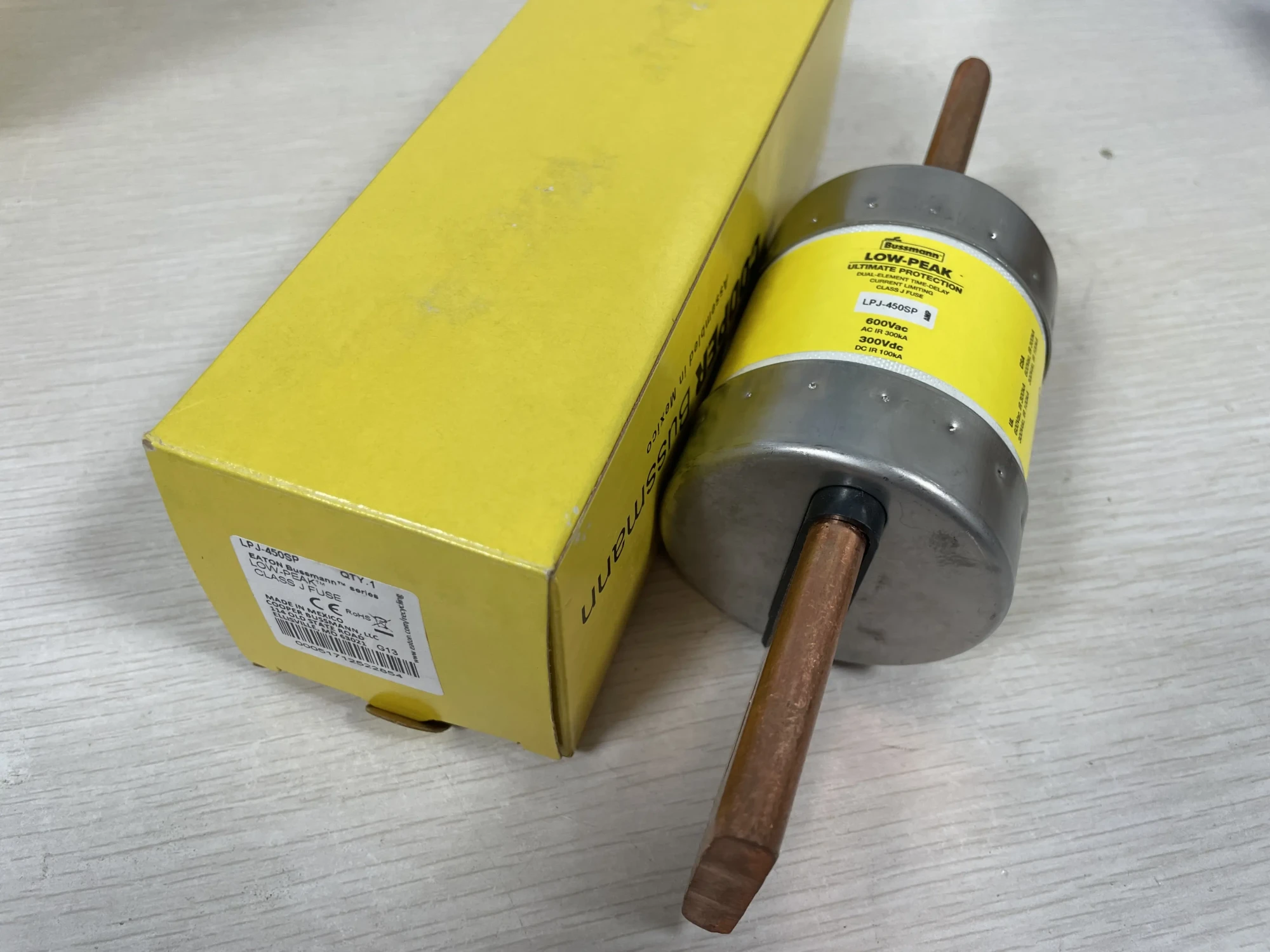
Introduction to Eaton-Bussmann Fuse MC Connector Guide and Tips
In the realm of electrical engineering and circuit protection, Eaton-Bussmann is a name synonymous with excellence and reliability. As a leading manufacturer of circuit protection solutions, Eaton-Bussmann offers a wide range of products designed to safeguard electrical systems from damage. Among their extensive product line, the MC (Modular Connector) fuse stands out for its innovative design and versatility. This guide will delve into the Eaton-Bussmann Fuse MC Connector, exploring its parameters, specifications, uses, and precautions, providing a comprehensive solution for those seeking to understand and utilize this critical component.
Understanding the Eaton-Bussmann Fuse MC Connector
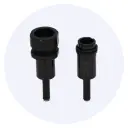
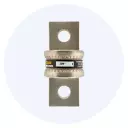
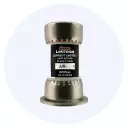
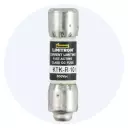
The Eaton-Bussmann Fuse MC Connector is a modular, compact fuse designed for use in a variety of applications, including industrial control panels, electrical distribution systems, and telecommunications equipment. Its modular design allows for easy installation and replacement, making it a preferred choice among electrical engineers and technicians. The MC fuse is designed to provide overcurrent protection, interrupting the flow of electrical current in the event of a fault or overload, thus preventing damage to equipment and ensuring safety.
Product Parameters and Specifications
Eaton-Bussmann Fuse MC Connectors are available in a range of ampere ratings, from 1A to 30A, and voltage ratings up to 600V AC/DC. They are designed to meet or exceed international standards for safety and performance, including UL, CSA, and IEC certifications. The fuses are constructed with high-quality materials, ensuring durability and reliability under various environmental conditions. Key specifications include:
- Ampere Rating: 1A to 30A
- Voltage Rating: Up to 600V AC/DC
- Certifications: UL, CSA, IEC
- Operating Temperature: -40°C to +85°C
Uses and Applications
The versatility of the Eaton-Bussmann Fuse MC Connector makes it suitable for a wide range of applications:
- Industrial Control Panels: Protects against overcurrent conditions in control circuits.
- Electrical Distribution Systems: Provides protection for branch circuits and feeder lines.
- Telecommunications Equipment: Safeguards sensitive electronic components from power surges.
- Medical Devices: Ensures the safety and reliability of life-supporting equipment.
- Renewable Energy Systems: Protects inverters and control systems in solar and wind power installations.
Precautions and Installation Tips
To ensure the safe and effective operation of the Eaton-Bussmann Fuse MC Connector, follow these guidelines:
- Proper Selection: Choose the correct ampere and voltage rating for your application.
- Handling: Avoid touching the fuse elements or electrical contacts to prevent damage or electrical shock.
- Installation: Mount the fuse in a well-ventilated area, away from heat sources.
- Maintenance: Regularly inspect fuses for signs of wear or damage; replace immediately if compromised.
- Replacement: Use only genuine Eaton-Bussmann replacement fuses to maintain the integrity of your system.
Conclusion
The Eaton-Bussmann Fuse MC Connector is a vital component in modern electrical systems, offering reliable overcurrent protection and flexibility in design. By understanding its parameters, specifications, and applications, as well as adhering to proper installation and maintenance practices, users can ensure the safe and efficient operation of their electrical systems. As a trusted distributor of Eaton-Bussmann products, we guarantee the authenticity and quality of our offerings, providing comprehensive support for all your circuit protection needs. Whether you’re an electrical engineer, technician, or simply looking to enhance your knowledge of circuit protection solutions, the Eaton-Bussmann Fuse MC Connector is a valuable asset in your toolkit.