Blog
Aerospace Fuses by Eaton-Bussmann Explained
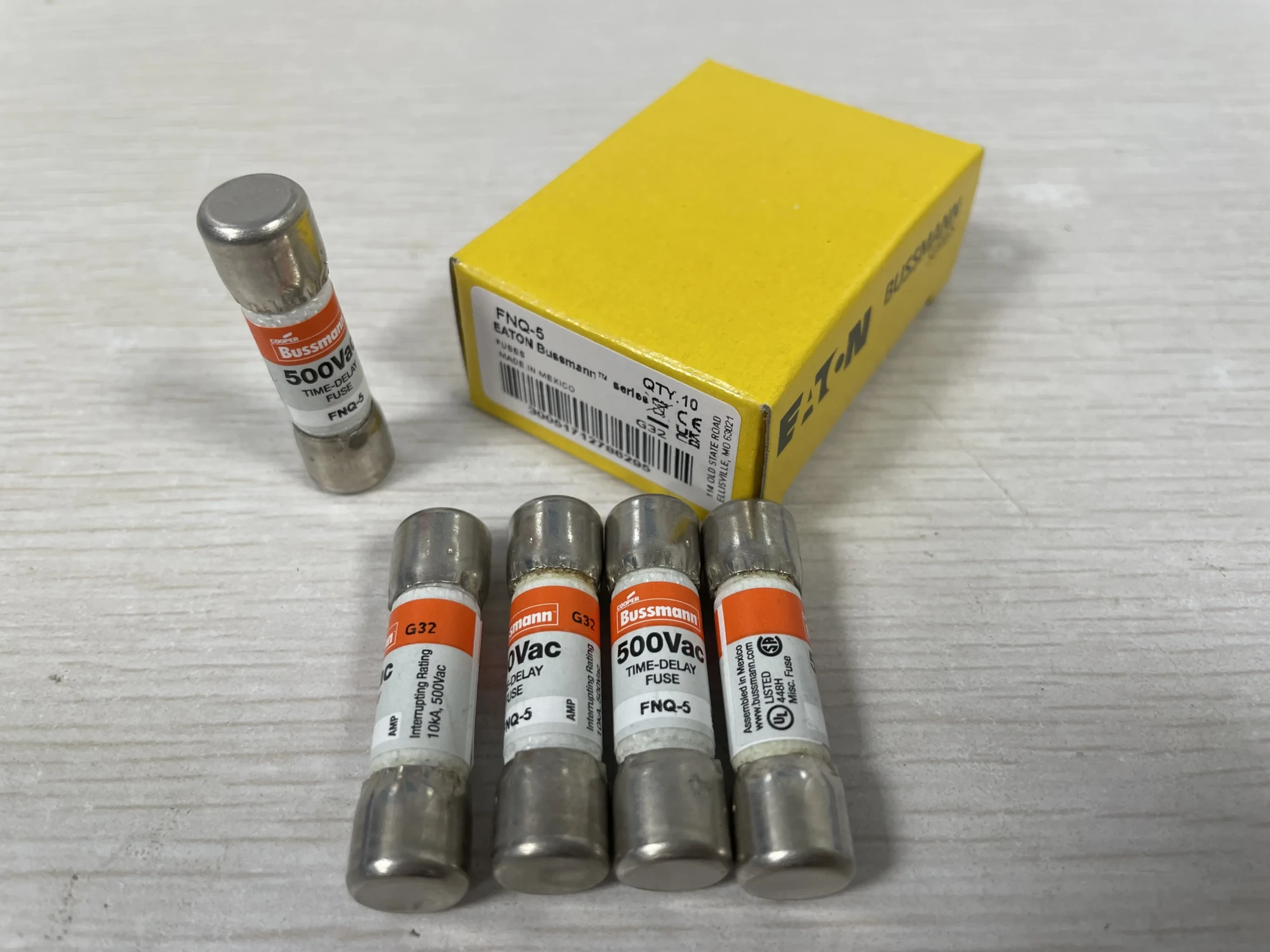
In the realm of aerospace engineering, the reliability and safety of electrical systems are paramount. One crucial component that ensures the integrity of these systems is the aerospace fuse, specifically designed and manufactured by Eaton-Bussmann. Eaton-Bussmann, a renowned name in the field of power management, has been at the forefront of providing innovative solutions for circuit protection and motor control. Their dedication to sustainability and quality has made them a trusted partner for industries looking to manage power efficiently and safely.
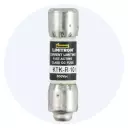
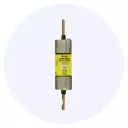
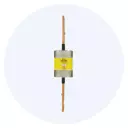
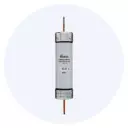
Eaton-Bussmann’s product portfolio is vast and diverse, catering to various sectors such as power, electronics, and transportation. However, when it comes to aerospace, their fuses stand out for their precision, reliability, and compliance with strict industry standards. Aerospace fuses by Eaton-Bussmann are engineered to protect circuits from overcurrent and overvoltage conditions, which could lead to system failure or even catastrophic events. These fuses are designed to be highly sensitive and can interrupt an electrical circuit in the event of an abnormal condition, thereby safeguarding the equipment and personnel.
The specifications and parameters of Eaton-Bussmann’s aerospace fuses are meticulously designed to meet the stringent requirements of the aerospace industry. These include but are not limited to:
- Current Rating: The maximum amount of current the fuse can handle without failing. This is critical in ensuring that the fuse operates only under fault conditions and not during normal operation.
- Voltage Rating: The maximum voltage at which the fuse is designed to operate safely. This rating must match or exceed the system’s voltage to prevent premature failure.
- Response Time: The time it takes for the fuse to open the circuit after a fault is detected. Fast response times are crucial in minimizing damage to equipment.
- Operating Temperature Range: Since aerospace environments can vary greatly in temperature, these fuses are designed to operate effectively across a wide temperature range.
The uses of aerospace fuses by Eaton-Bussmann are diverse and critical. They are used in various aircraft systems, including electrical power distribution systems, control systems, and even in some instances, in the protection of sensitive electronic equipment. Their ability to provide a high level of protection against electrical faults makes them indispensable in modern aerospace engineering.
When handling or installing aerospace fuses, several precautions must be taken to ensure safety and effectiveness:
- Proper Handling: Fuses should be handled carefully to avoid physical damage. Dropping or subjecting them to excessive force can compromise their integrity.
- Correct Installation: Fuses must be installed in accordance with the manufacturer’s instructions and relevant industry standards. Incorrect installation can lead to malfunction or failure to protect the circuit.
- Regular Inspection: Scheduled inspection of fuses is essential to identify any signs of deterioration or damage. This proactive approach can prevent unexpected system failures.
- Training and Expertise: Only trained personnel should be involved in the installation, inspection, and replacement of aerospace fuses. Their specialized knowledge ensures that the fuses are managed correctly.
In conclusion, aerospace fuses by Eaton-Bussmann play a vital role in ensuring the reliability and safety of aerospace electrical systems. Their precise engineering, adherence to industry standards, and the precautions taken during their use underscore the commitment to excellence and safety that defines the aerospace industry. As the world continues to push the boundaries of aerospace technology, the importance of reliable and efficient components like those provided by Eaton-Bussmann will only continue to grow. Whether it’s about protecting personnel, equipment, or the mission itself, these fuses are at the forefront of safeguarding the future of aerospace exploration and development.