Blog
Eaton-Bussmann Fuse HRC Fuse Technology
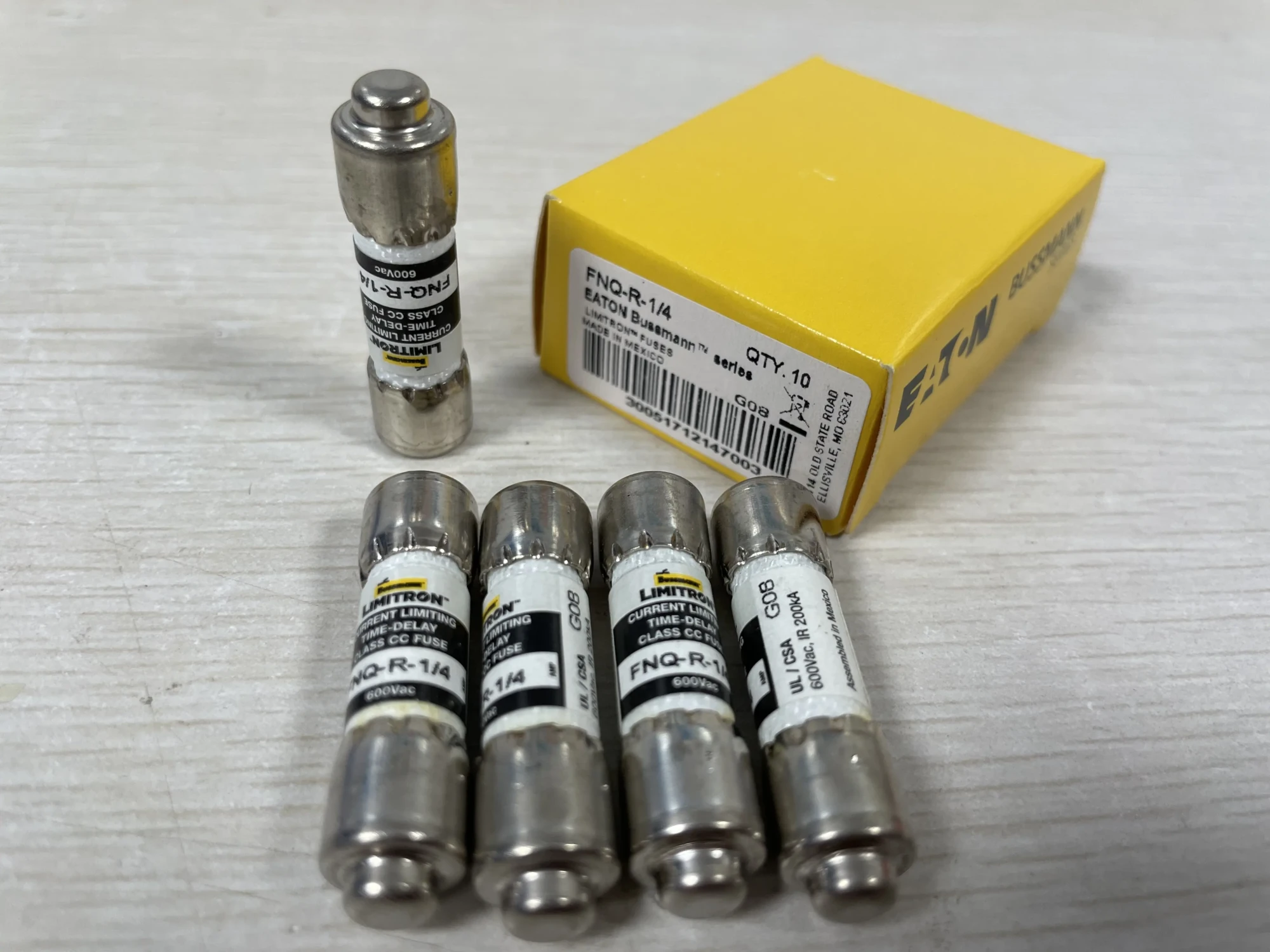
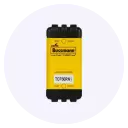
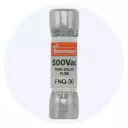
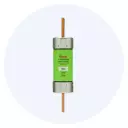
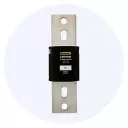
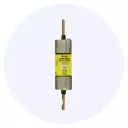
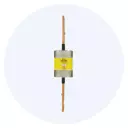
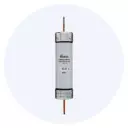
Eaton-Bussmann Fuse HRC Fuse Technology is a cutting-edge solution for circuit protection, designed to provide reliable and efficient overcurrent protection for a wide range of applications. As a leading provider of power management solutions, Eaton Bussmann has developed this technology to meet the growing demand for high-performance fuses that can handle the increasing complexity of modern electrical systems.
Product Parameters and Specifications
Eaton-Bussmann Fuse HRC Fuse Technology is designed to meet the highest standards of quality and reliability, with a range of product parameters and specifications that make it suitable for various applications. Some of the key features of this technology include:
- High interrupting capacity: up to 200 kA
- High voltage ratings: up to 690V AC and 1000V DC
- High current ratings: up to 1200A
- Compact design: reduces space requirements and minimizes installation costs
- Low power loss: reduces energy consumption and minimizes heat generation
Uses and Applications
Eaton-Bussmann Fuse HRC Fuse Technology is designed for use in a wide range of applications, including:
- Industrial control panels
- Power distribution systems
- Motor control centers
- Renewable energy systems
- Electric vehicle charging infrastructure
- Data centers and IT equipment
This technology is particularly useful in applications where high reliability and efficiency are critical, such as in industrial processes, transportation systems, and mission-critical infrastructure.
Precautions and Safety Considerations
While Eaton-Bussmann Fuse HRC Fuse Technology is designed to provide reliable and efficient overcurrent protection, it is essential to follow proper safety precautions and guidelines when handling and installing these fuses. Some of the key precautions include:
- Always follow the manufacturer’s instructions for installation and maintenance
- Ensure that the fuse is properly rated for the application
- Use proper personal protective equipment (PPE) when handling fuses
- Avoid touching electrical components or wiring during installation or maintenance
- Regularly inspect and test fuses to ensure they are functioning correctly
Benefits and Advantages
Eaton-Bussmann Fuse HRC Fuse Technology offers a range of benefits and advantages, including:
- High reliability and efficiency
- Compact design and reduced space requirements
- Low power loss and energy consumption
- High interrupting capacity and voltage ratings
- Compliance with international standards and regulations
- Easy installation and maintenance
Conclusion
In conclusion, Eaton-Bussmann Fuse HRC Fuse Technology is a cutting-edge solution for circuit protection that offers high reliability, efficiency, and performance. With its compact design, low power loss, and high interrupting capacity, this technology is suitable for a wide range of applications, from industrial control panels to renewable energy systems. By following proper safety precautions and guidelines, users can ensure safe and effective use of this technology, and take advantage of its many benefits and advantages.
Additional Resources
For more information on Eaton-Bussmann Fuse HRC Fuse Technology, including product specifications, datasheets, and application guides, please visit our website or contact our technical support team. We are committed to providing our customers with the highest level of support and service, and to helping them find the right solutions for their specific needs and applications.
Frequently Asked Questions
Q: What is the maximum interrupting capacity of Eaton-Bussmann Fuse HRC Fuse Technology?
A: The maximum interrupting capacity of Eaton-Bussmann Fuse HRC Fuse Technology is up to 200 kA.
Q: What is the maximum voltage rating of Eaton-Bussmann Fuse HRC Fuse Technology?
A: The maximum voltage rating of Eaton-Bussmann Fuse HRC Fuse Technology is up to 690V AC and 1000V DC.
Q: Can Eaton-Bussmann Fuse HRC Fuse Technology be used in industrial control panels?
A: Yes, Eaton-Bussmann Fuse HRC Fuse Technology is suitable for use in industrial control panels, as well as other applications such as power distribution systems, motor control centers, and renewable energy systems.