Blog
Eaton-Bussmann Fuse Occupancy Sensor Benefits
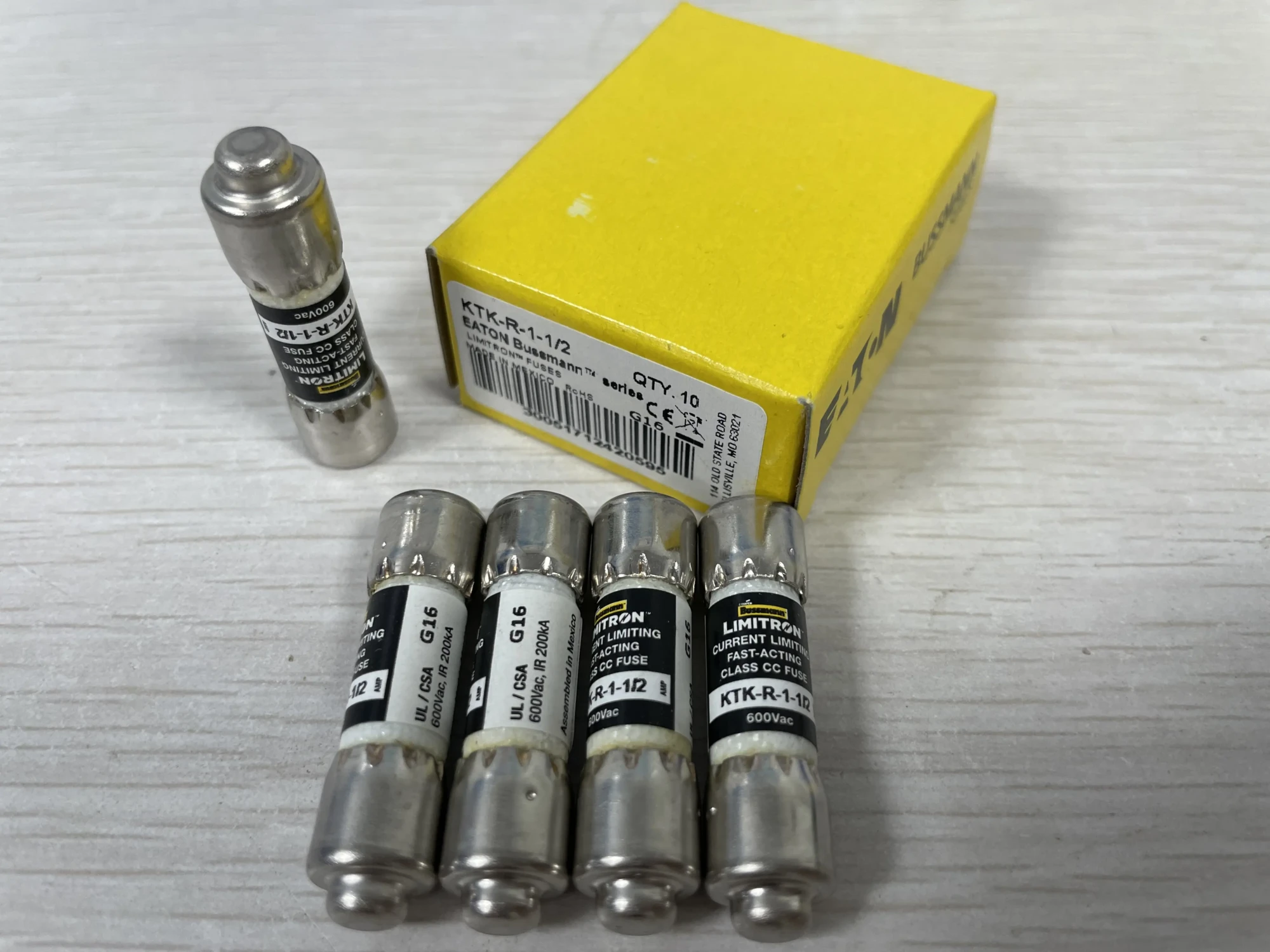
As a leading provider of intelligent power management solutions, Eaton Bussmann has been at the forefront of innovation, delivering high-quality products that cater to the evolving needs of industries worldwide. Among their extensive range of offerings, the Eaton-Bussmann Fuse Occupancy Sensor stands out for its exceptional benefits, designed to optimize energy efficiency, enhance safety, and streamline operations. In this comprehensive overview, we delve into the product parameters, specifications, uses, and precautions of the Eaton-Bussmann Fuse Occupancy Sensor, providing a complete solution for those seeking to harness its advantages.
Introduction to Eaton-Bussmann Fuse Occupancy Sensor
The Eaton-Bussmann Fuse Occupancy Sensor is an advanced device engineered to detect the presence or absence of people within a specified area, typically used in commercial and industrial settings. This sensor is integrated with fuse technology, ensuring that the electrical circuit is protected from overcurrent conditions, which can lead to fires or equipment damage. By combining occupancy detection with circuit protection, the Eaton-Bussmann Fuse Occupancy Sensor offers a dual-functionality solution that enhances both energy efficiency and safety.
Product Parameters and Specifications
- Sensing Technology: Utilizes advanced passive infrared (PIR) or ultrasonic technologies to detect motion, ensuring high accuracy and reliability.
- Coverage Area: Can be adjusted to cover various sizes of areas, from small offices to large warehouses, making it versatile for different applications.
- Operating Voltage: Compatible with a wide range of voltages, including 120V, 240V, and 277V, to fit different electrical infrastructure requirements.
- Response Time: Features a quick response time to detect occupancy, ensuring timely switching of lighting and other electrical devices.
- Durability: Built with high-quality materials to withstand various environmental conditions, including temperature fluctuations and humidity.
Uses of Eaton-Bussmann Fuse Occupancy Sensor
- Energy Efficiency: Automatically turns off lights, HVAC systems, and other electrical devices when areas are unoccupied, significantly reducing energy consumption and lowering utility bills.
- Enhanced Safety: Provides overcurrent protection, safeguarding against electrical fires and equipment damage, thereby ensuring a safer working environment.
- Convenience: Offers hands-free control, eliminating the need for manual switching, which can be particularly beneficial in high-traffic areas or where hands-free operation is preferred for hygiene reasons.
- Compliance: Helps businesses comply with energy efficiency regulations and standards, contributing to a more sustainable operation.
Precautions and Installation Considerations
- Proper Installation: Ensure the sensor is installed at the correct height and angle to maximize its detection capabilities and minimize false triggers.
- Regular Maintenance: Periodically inspect and clean the sensor to maintain its sensitivity and accuracy.
- Compatibility: Verify the sensor’s compatibility with existing electrical systems and devices to ensure seamless integration.
- Safety Guidelines: Follow all safety guidelines and regulations during installation and maintenance to prevent electrical shocks or other hazards.
Conclusion
The Eaton-Bussmann Fuse Occupancy Sensor represents a significant advancement in smart building technologies, offering a unique blend of energy efficiency, safety, and convenience. By understanding its product parameters, specifications, uses, and precautions, users can fully leverage its benefits to create more sustainable, safe, and automated environments. As industries continue to evolve, solutions like the Eaton-Bussmann Fuse Occupancy Sensor will play a crucial role in shaping the future of power management and building automation. Whether you’re a facility manager, electrical engineer, or business owner, integrating this innovative sensor into your operations can lead to substantial advantages, from cost savings to enhanced operational efficiency.