Blog
Eaton-Bussmann Fuse Screw Terminal Guide
Introduction to Eaton-Bussmann Fuse Screw Terminal Guide
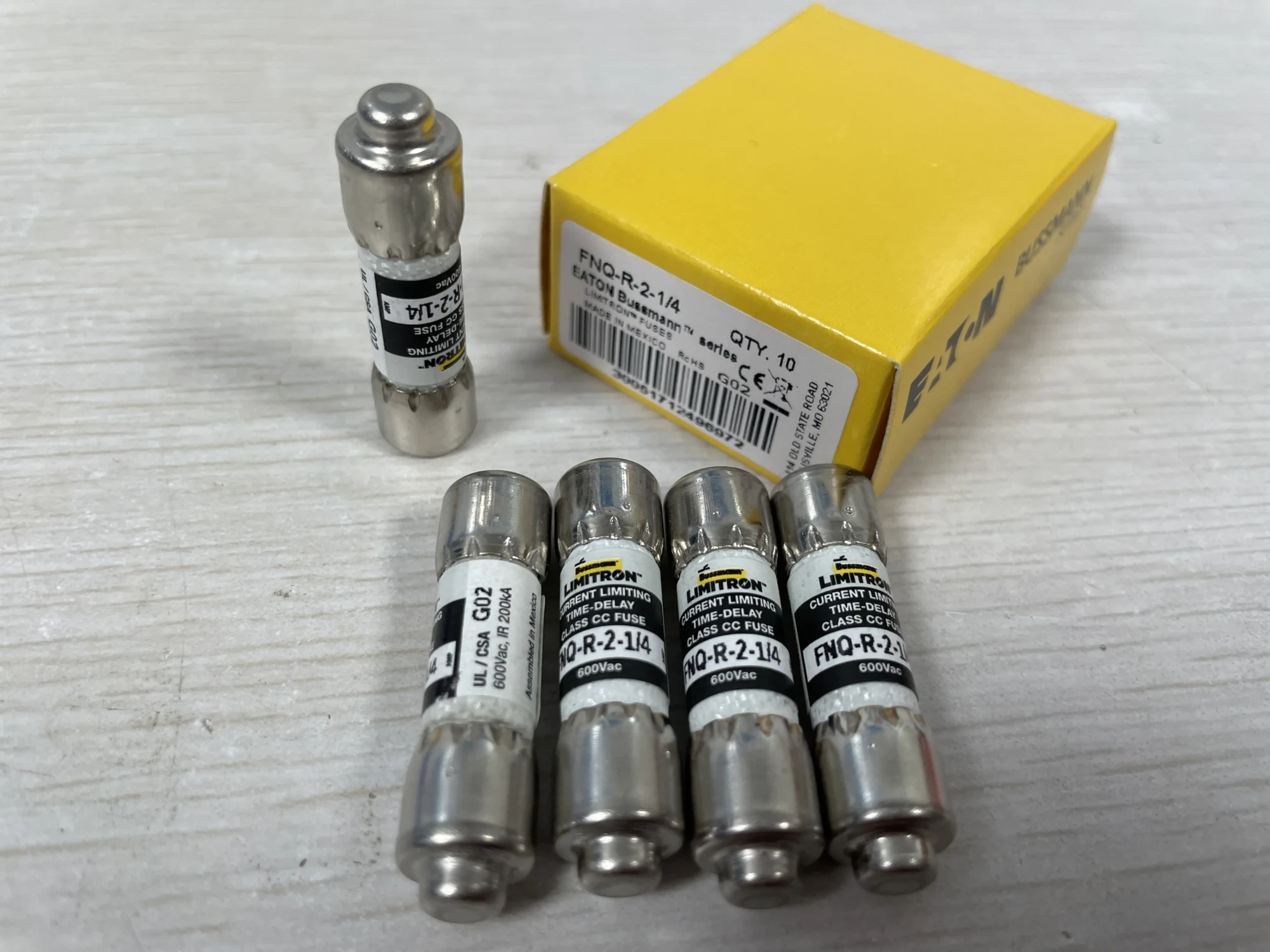
In the realm of electrical engineering and circuit protection, the Eaton-Bussmann Fuse Screw Terminal Guide stands out as a crucial component for ensuring the safe and efficient operation of electrical systems. As a comprehensive guide, it provides detailed insights into the product parameters, specifications, uses, and precautions associated with Eaton-Bussmann fuse screw terminals. This article aims to delve into the world of Eaton-Bussmann’s circuit protection solutions, focusing on the Fuse Screw Terminal Guide and its significance in the industry.
Eaton Bussmann: A Leader in Circuit Protection Solutions
Eaton Bussmann is a renowned company dedicated to improving the quality of life and protecting the environment through innovative power management solutions. With a strong commitment to sustainability and electrification, Eaton Bussmann specializes in circuit protection and motor control, offering a wide range of high-quality products to safeguard electrical circuits from damage. Their product portfolio includes power, electronics, and transportation solutions, all designed to meet the highest standards of quality and reliability.
Product Parameters and Specifications
The Eaton-Bussmann Fuse Screw Terminal Guide is designed to provide a comprehensive understanding of the product’s technical specifications and parameters. Some of the key aspects to consider include:
- Voltage and current ratings: Understanding the maximum voltage and current ratings of the fuse screw terminal is crucial to ensure safe and efficient operation.
- Fuse types: Eaton-Bussmann offers a range of fuse types, including fast-blow, slow-blow, and time-delay fuses, each with its unique characteristics and applications.
- Terminal types: The guide provides information on the different terminal types, such as screw, bolt, and clip-on terminals, and their respective applications.
- Materials and construction: The guide details the materials used in the construction of the fuse screw terminal, including the type of metal, insulation, and other components.
Uses and Applications
The Eaton-Bussmann Fuse Screw Terminal Guide is an essential resource for electrical engineers, technicians, and professionals working with electrical systems. Some of the common applications of fuse screw terminals include:
- Circuit protection: Fuse screw terminals are used to protect electrical circuits from overcurrent conditions, such as short circuits and overloads.
- Motor control: They are used in motor control applications, including motor starters, contactors, and relays.
- Power distribution: Fuse screw terminals are used in power distribution systems, including panelboards, switchboards, and busbars.
Precautions and Safety Considerations
When working with Eaton-Bussmann fuse screw terminals, it is essential to follow proper safety precautions to avoid injuries and ensure safe operation. Some of the key precautions include:
- Proper installation: Ensure that the fuse screw terminal is installed correctly, following the manufacturer’s instructions and industry standards.
- Voltage and current ratings: Always verify the voltage and current ratings of the fuse screw terminal to ensure they match the application requirements.
- Regular maintenance: Regularly inspect and maintain the fuse screw terminal to prevent wear and tear, and replace it if necessary.
Conclusion
In conclusion, the Eaton-Bussmann Fuse Screw Terminal Guide is a comprehensive resource that provides detailed information on the product parameters, specifications, uses, and precautions associated with fuse screw terminals. As a leader in circuit protection solutions, Eaton Bussmann offers a wide range of high-quality products designed to safeguard electrical circuits from damage. By following the guidelines and precautions outlined in this article, electrical engineers and professionals can ensure safe and efficient operation of electrical systems, protecting people, equipment, and the environment.