Blog
Eaton Bussmann Fuse Trip Prevention Tips
Introduction to Eaton Bussmann Fuse Trip Prevention Tips
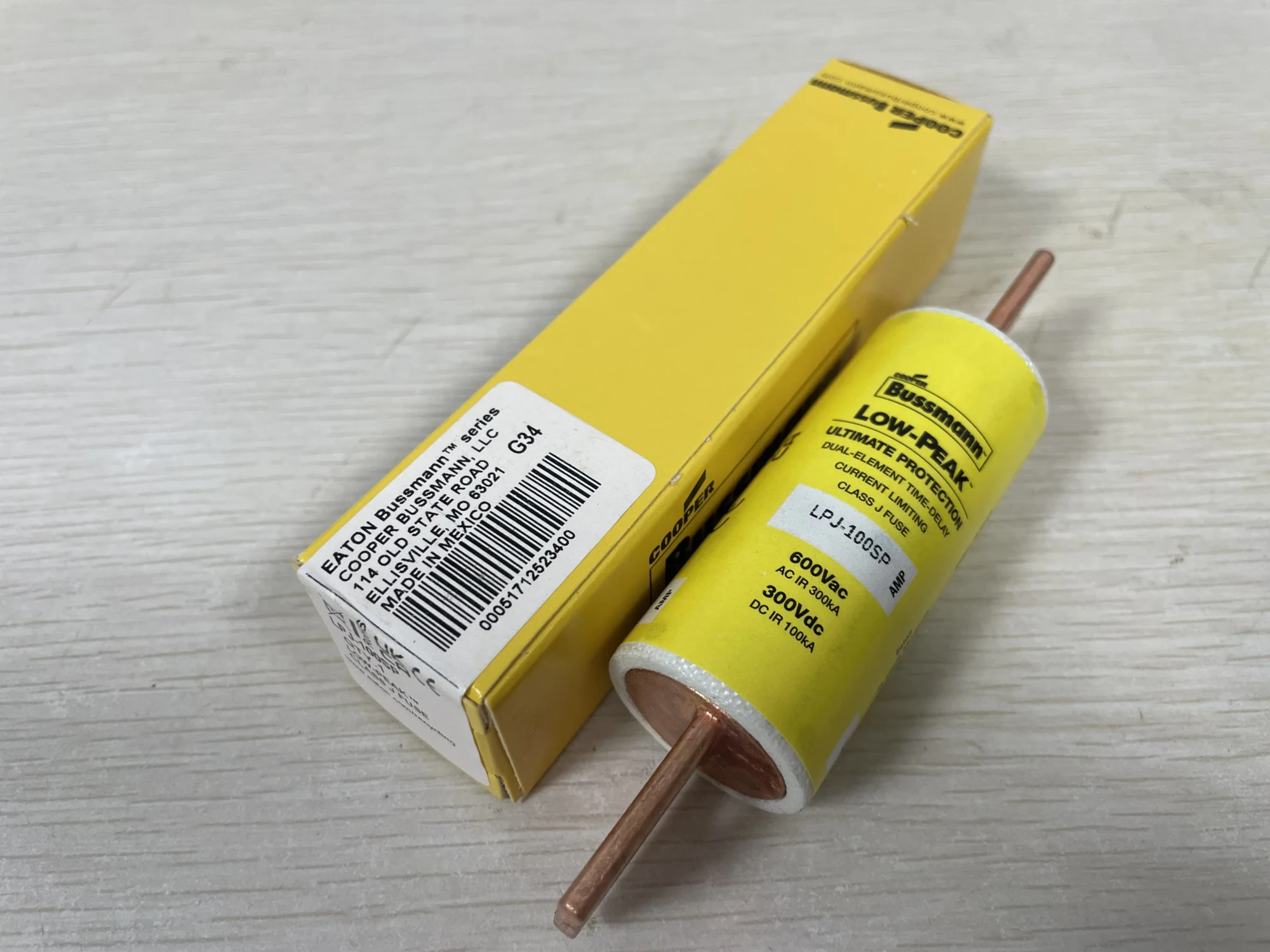
In the realm of electrical engineering and power management, fuse trip prevention is a critical aspect that cannot be overlooked. Eaton Bussmann, a renowned leader in intelligent power management, offers a comprehensive range of circuit protection solutions designed to prevent fuse trips and ensure the smooth operation of electrical systems. As an authorized Eaton Bussmann distributor, we will delve into the world of Eaton Bussmann fuse trip prevention tips, exploring the company’s product parameters, specifications, uses, and precautions to provide a complete solution for preventing unwanted fuse trips.
Understanding Eaton Bussmann’s Product Portfolio
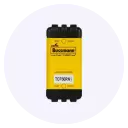
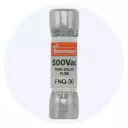
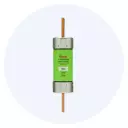
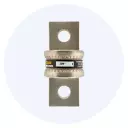
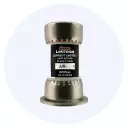
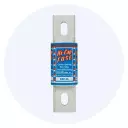
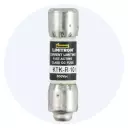
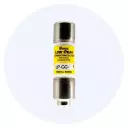
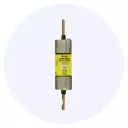
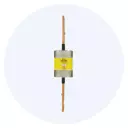
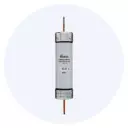
Eaton Bussmann’s extensive product portfolio is categorized into three primary segments: Power, Electronics, and Transportation. The Power segment includes a wide range of fuses, such as North American fast-blow fuses, IEC standard fuses, and UL/CSA certified low-voltage fuses, among others. The Electronics segment features chip fuses, ESD suppressors, and supercapacitors, while the Transportation segment offers low-voltage distribution boxes, video control systems, and automotive fuses. Each product is designed to meet specific industry standards and regulations, ensuring reliable and efficient performance.
Key Factors to Consider for Fuse Trip Prevention
To prevent unwanted fuse trips, it is essential to consider several key factors, including:
- Overcurrent Protection: Eaton Bussmann’s overcurrent protection devices are designed to detect and respond to excessive current flows, preventing damage to electrical systems and equipment.
- Voltage Rating: Selecting fuses with the correct voltage rating is crucial to prevent overheating, arcing, and other issues that can lead to fuse trips.
- Current Rating: The current rating of a fuse must match the expected current load to prevent overheating and premature tripping.
- Environmental Factors: Temperature, humidity, and vibration can all impact fuse performance, and selecting fuses that can withstand these environmental factors is vital.
- Installation and Maintenance: Proper installation, maintenance, and testing of fuses and electrical systems can help prevent fuse trips and ensure optimal performance.
Eaton Bussmann Fuse Trip Prevention Tips
To prevent unwanted fuse trips, follow these expert tips from Eaton Bussmann:
- Select the Right Fuse: Choose a fuse that meets the specific requirements of your application, considering factors such as voltage, current, and environmental conditions.
- Monitor System Performance: Regularly monitor system performance, including current and voltage levels, to detect potential issues before they lead to fuse trips.
- Perform Regular Maintenance: Schedule regular maintenance and testing of electrical systems and fuses to ensure optimal performance and prevent premature tripping.
- Use High-Quality Components: Specify high-quality components, including fuses, wiring, and connectors, to minimize the risk of faults and fuse trips.
- Consider Redundancy: Implement redundancy in critical systems to ensure continued operation in the event of a fuse trip or other failure.
Conclusion
Eaton Bussmann fuse trip prevention tips offer a comprehensive solution for preventing unwanted fuse trips and ensuring the reliable operation of electrical systems. By understanding the company’s product parameters, specifications, uses, and precautions, and following expert tips, engineers and technicians can design and implement effective circuit protection solutions that meet the demands of modern electrical systems. As an authorized Eaton Bussmann distributor, we are committed to providing high-quality products and expert advice to help customers solve their power management challenges and prevent fuse trips. Whether you’re designing a new system or troubleshooting an existing one, Eaton Bussmann’s fuse trip prevention tips are an essential resource for ensuring the reliability and efficiency of your electrical systems.