Blog
Eaton’s Automotive Fuse Types Explained
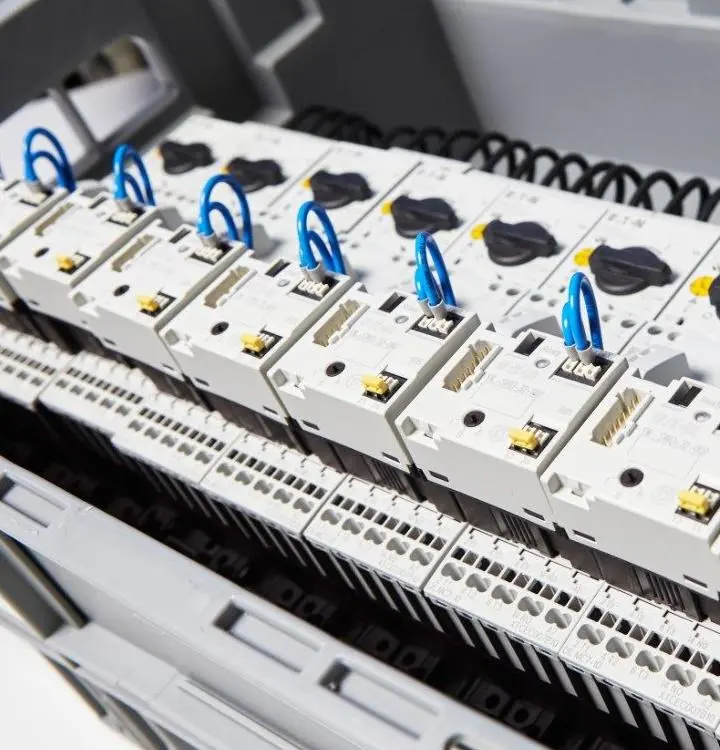
As a leading provider of circuit protection solutions, Eaton Bussmann offers a wide range of automotive fuse types that cater to the diverse needs of the automotive industry. In this article, we will delve into the world of Eaton’s automotive fuse types, exploring their product parameters, specifications, uses, and precautions.
Introduction to Eaton’s Automotive Fuse Types
Eaton Bussmann’s automotive fuse types are designed to provide reliable and efficient circuit protection for various automotive applications. These fuses are engineered to meet the highest standards of quality, safety, and performance, ensuring that they can withstand the harsh conditions of the automotive environment. With a comprehensive range of fuse types, Eaton Bussmann offers solutions for a broad spectrum of automotive applications, from passenger vehicles to commercial trucks and buses.
Product Parameters and Specifications
Eaton’s automotive fuse types come in various configurations, each with its unique set of product parameters and specifications. Some of the key parameters include:
- Current Rating: The maximum current that the fuse can handle before it blows.
- Voltage Rating: The maximum voltage that the fuse can withstand.
- Response Time: The time it takes for the fuse to blow after a fault occurs.
- Interrupting Capacity: The maximum amount of current that the fuse can safely interrupt.
Some of the most common Eaton automotive fuse types include:
- ATM (Automotive Type Medium): A medium-duty fuse designed for general-purpose automotive applications.
- ATO (Automotive Type Open): An open-type fuse designed for high-current applications.
- ATC (Automotive Type Closed): A closed-type fuse designed for low-profile applications.
- MAXI (Maximum Interrupting Capacity): A high-performance fuse designed for high-current applications.
Uses and Applications
Eaton’s automotive fuse types are used in a wide range of applications, including:
- Power Distribution: Fuses are used to protect power distribution systems, including battery management systems, alternators, and starter motors.
- Electrical Systems: Fuses are used to protect electrical systems, including lighting, wipers, and audio systems.
- Safety Systems: Fuses are used to protect safety systems, including airbags, anti-lock braking systems (ABS), and traction control systems (TCS).
- Comfort Systems: Fuses are used to protect comfort systems, including climate control, seats, and infotainment systems.
Precautions and Safety Considerations
When working with Eaton’s automotive fuse types, it is essential to follow proper safety precautions to avoid injury or damage. Some of the key precautions include:
- Handling: Fuses should be handled with care, as they can be fragile and sensitive to shock and vibration.
- Installation: Fuses should be installed in accordance with the manufacturer’s instructions and industry standards.
- Testing: Fuses should be tested regularly to ensure that they are functioning correctly.
- Replacement: Fuses should be replaced with the correct type and rating to avoid overloading or underloading the circuit.
Conclusion
In conclusion, Eaton’s automotive fuse types offer a comprehensive range of solutions for the automotive industry. With their high-quality products, innovative designs, and commitment to safety, Eaton Bussmann has established itself as a leader in the field of circuit protection. By understanding the product parameters, specifications, uses, and precautions of Eaton’s automotive fuse types, engineers and technicians can ensure that their vehicles are protected from electrical faults and other hazards, providing a safe and reliable driving experience for passengers. Whether you are designing a new vehicle or maintaining an existing one, Eaton’s automotive fuse types are an essential component of any automotive electrical system.