Blog
Replace Eaton-Bussmann Fuse: Step-by-Step Guide
Introduction to Eaton-Bussmann Fuses
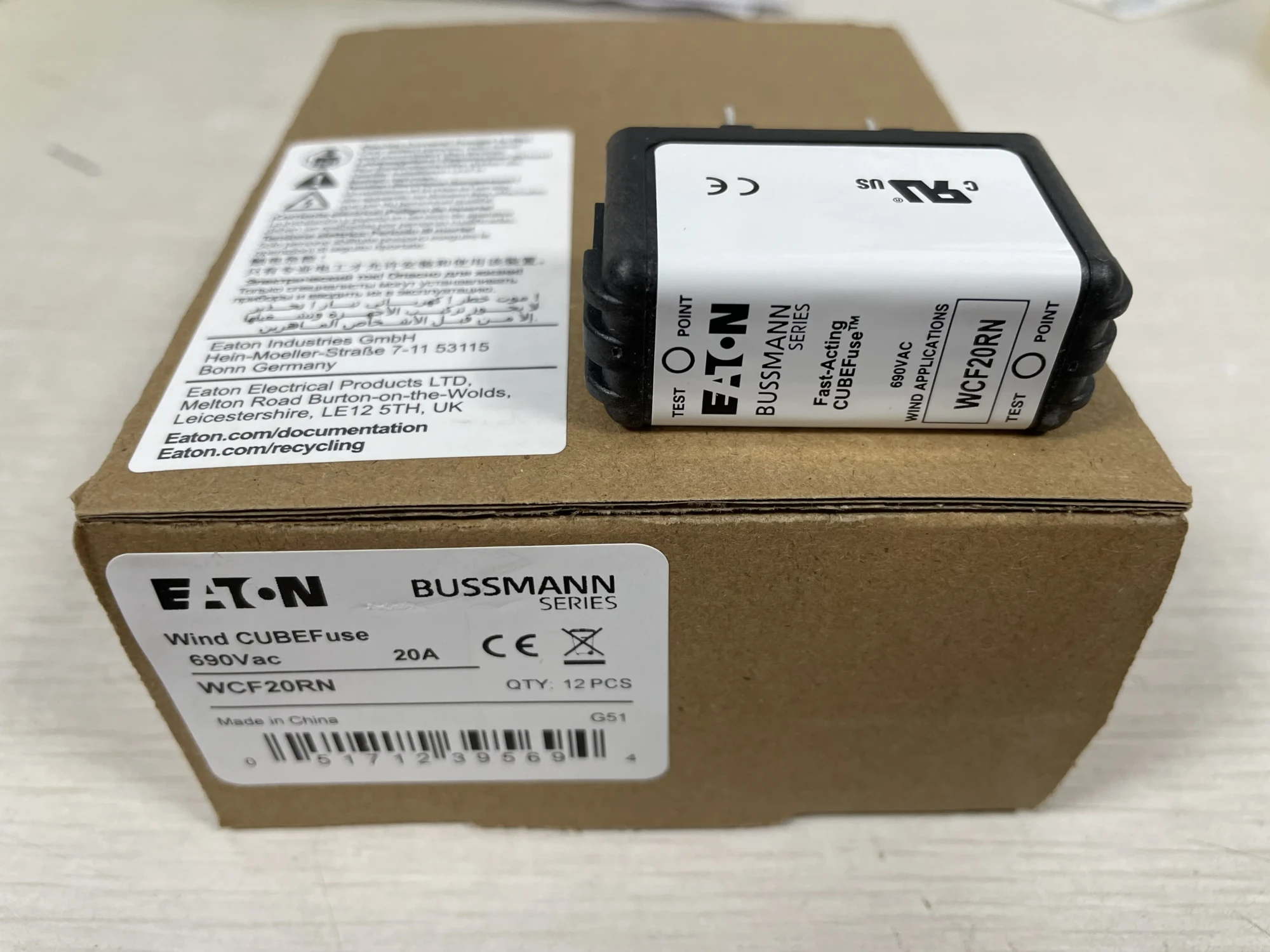
Eaton-Bussmann is a leading provider of circuit protection solutions, specializing in overcurrent and overvoltage protection products. As an authorized distributor of Eaton-Bussmann products, we offer a wide range of high-quality fuses, including North American fast-blow fuses, IEC standard fuses, American standard cylindrical fuses, and more. In this article, we will provide a step-by-step guide on how to replace an Eaton-Bussmann fuse, highlighting the importance of proper replacement and maintenance to ensure the safety and efficiency of your electrical systems.
Understanding Eaton-Bussmann Fuses
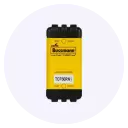
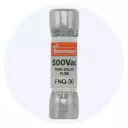
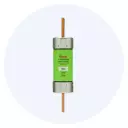
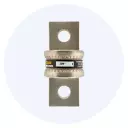
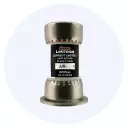
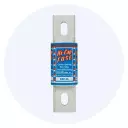
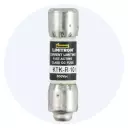
Before replacing an Eaton-Bussmann fuse, it’s essential to understand the different types of fuses available and their applications. Eaton-Bussmann fuses are designed to protect electrical circuits from damage caused by overcurrent or overvoltage conditions. They are available in various sizes, shapes, and ratings, including:
- Power fuses: used in industrial and commercial applications, such as motor control and power distribution
- Electronic fuses: used in electronic devices, such as computers and telecommunications equipment
- Transportation fuses: used in automotive and aerospace applications
Step-by-Step Guide to Replacing an Eaton-Bussmann Fuse
Replacing an Eaton-Bussmann fuse requires careful attention to detail to ensure safe and proper installation. Follow these steps:
- Identify the faulty fuse: Locate the fuse that needs to be replaced and verify its type, rating, and size.
- Turn off the power: Switch off the power supply to the circuit or device to prevent any accidental electrical shocks or injuries.
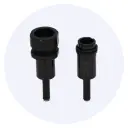
- Remove the fuse holder: Carefully remove the fuse holder or clip that holds the fuse in place.
- Remove the old fuse: Gently pull out the old fuse from the holder, taking note of its orientation and any markings or labels.
- Inspect the fuse holder: Check the fuse holder for any signs of damage or wear and tear. Clean or replace it if necessary.
- Install the new fuse: Insert the new fuse into the holder, ensuring it is properly seated and aligned with the markings or labels.
- Replace the fuse holder: Put back the fuse holder or clip, making sure it is securely fastened.
- Turn on the power: Restore power to the circuit or device and test it to ensure proper functioning.
Precautions and Safety Considerations
When replacing an Eaton-Bussmann fuse, it’s crucial to follow proper safety procedures to avoid electrical shocks, injuries, or damage to equipment. Some key precautions to keep in mind:
- Always turn off the power supply before replacing a fuse
- Use protective gear, such as gloves and safety glasses, when handling electrical components
- Ensure the new fuse is of the correct type, rating, and size for the specific application
- Avoid touching electrical components or wires with bare hands
- Keep the work area clean and well-ventilated
Conclusion
Replacing an Eaton-Bussmann fuse requires attention to detail and adherence to safety protocols. By following the step-by-step guide outlined in this article, you can ensure safe and proper replacement of your Eaton-Bussmann fuse. Remember to always prioritize electrical safety and consult the manufacturer’s instructions or a qualified electrician if you are unsure about any aspect of the replacement process. As an authorized Eaton-Bussmann distributor, we are committed to providing high-quality products and expert advice to help you manage power and protect your electrical systems.