Blog
Temperature Fuse Safety Tips Blog
Introduction to Temperature Fuse Safety Tips
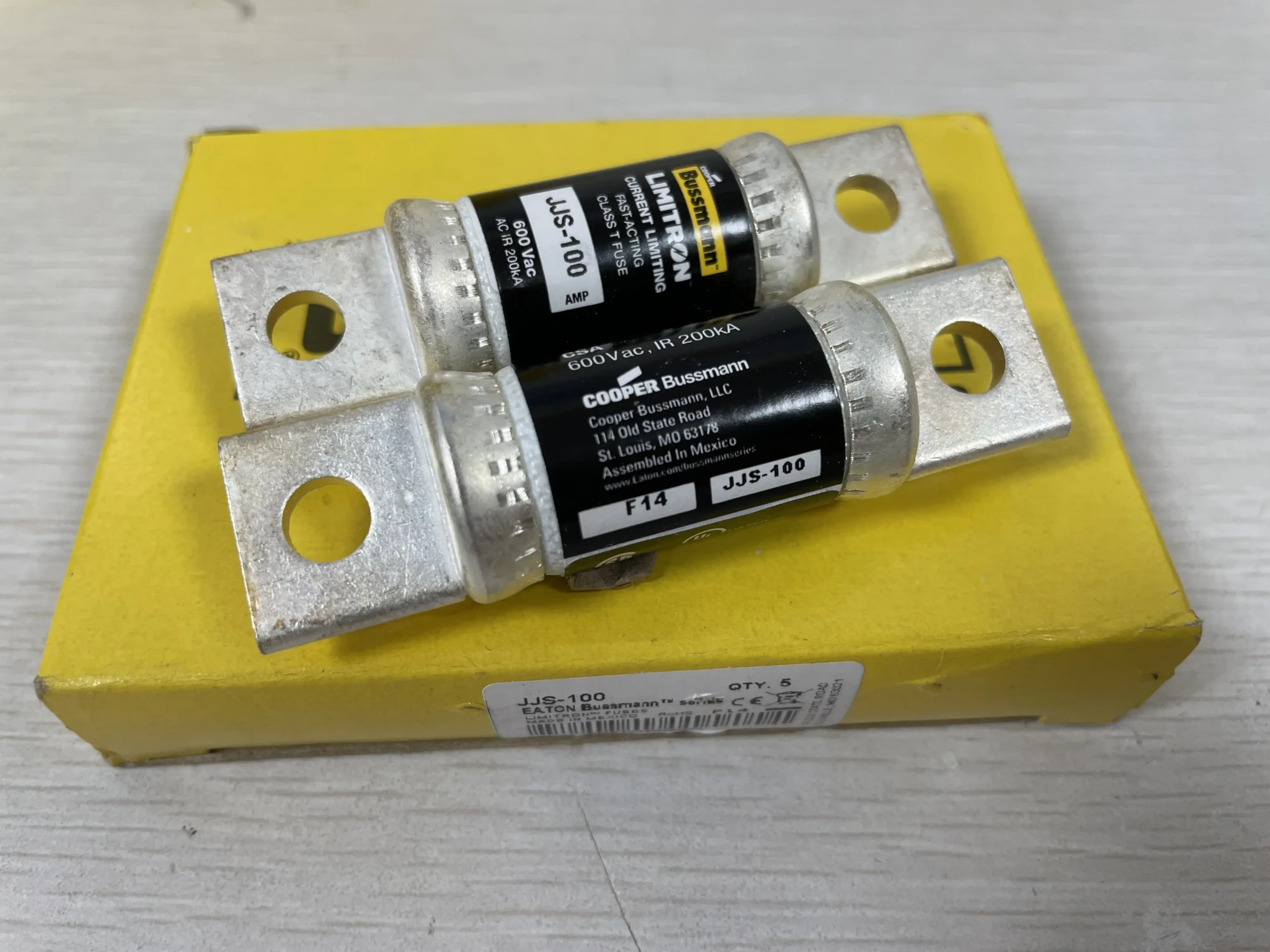
In the realm of electrical engineering and power management, safety is paramount. One crucial component that plays a significant role in ensuring the safe operation of electrical systems is the temperature fuse. A temperature fuse, also known as a thermal fuse, is a type of fuse that is designed to open the circuit when the temperature exceeds a predetermined level. In this blog post, we will delve into the world of temperature fuse safety tips, exploring their product parameters, specifications, uses, and precautions.
Understanding Temperature Fuses
Temperature fuses are an essential component in various electrical systems, including consumer electronics, industrial control systems, and automotive applications. They are designed to prevent overheating, which can lead to damage to the equipment, fires, or even explosions. Temperature fuses are typically made of a thermally sensitive material that melts or opens the circuit when the temperature reaches a certain threshold.
Product Parameters and Specifications
When selecting a temperature fuse, it is essential to consider the following product parameters and specifications:
- Temperature rating: The maximum temperature at which the fuse will open the circuit.
- Current rating: The maximum current that the fuse can handle.
- Voltage rating: The maximum voltage that the fuse can withstand.
- Response time: The time it takes for the fuse to open the circuit after the temperature exceeds the rated value.
- Resettable or non-resettable: Whether the fuse can be reset after it has opened the circuit.
Uses of Temperature Fuses
Temperature fuses have a wide range of applications, including:
- Consumer electronics: Temperature fuses are used in devices such as smartphones, laptops, and televisions to prevent overheating.
- Industrial control systems: Temperature fuses are used to protect industrial equipment, such as motors, pumps, and transformers, from overheating.
- Automotive applications: Temperature fuses are used in vehicles to protect the electrical system from overheating, particularly in the engine compartment.
Precautions and Safety Tips
When working with temperature fuses, it is essential to follow these precautions and safety tips:
- Handle with care: Temperature fuses are sensitive to heat and mechanical stress, so handle them with care to avoid damaging them.
- Follow manufacturer’s instructions: Read and follow the manufacturer’s instructions for installation, operation, and maintenance of temperature fuses.
- Use the correct fuse: Use the correct temperature fuse for the specific application, taking into account the temperature rating, current rating, and voltage rating.
- Regularly inspect and maintain: Regularly inspect and maintain temperature fuses to ensure they are functioning correctly and have not been damaged.
- Replace faulty fuses: Replace faulty or damaged temperature fuses immediately to prevent accidents or equipment damage.
Eaton Bussmann Fuse Relay Circuit Protection Solutions
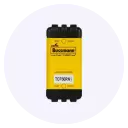
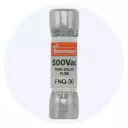
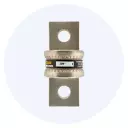
Eaton Bussmann is a leading provider of circuit protection solutions, including temperature fuses. Their products are designed to provide high-quality overcurrent and overvoltage protection, ensuring the safe operation of electrical systems. As an authorized Eaton Bussmann distributor, we guarantee that all products meet the manufacturer’s stringent standards.
Conclusion
In conclusion, temperature fuses play a critical role in ensuring the safe operation of electrical systems. By understanding the product parameters, specifications, uses, and precautions of temperature fuses, we can ensure the safe and reliable operation of our equipment. Eaton Bussmann’s fuse relay circuit protection solutions provide a comprehensive range of products to meet the needs of various applications. By following the safety tips and precautions outlined in this blog post, we can prevent accidents, equipment damage, and ensure the safe operation of our electrical systems.