Blog
Understanding Eaton-Bussmann Fuse Prospective Fault Current
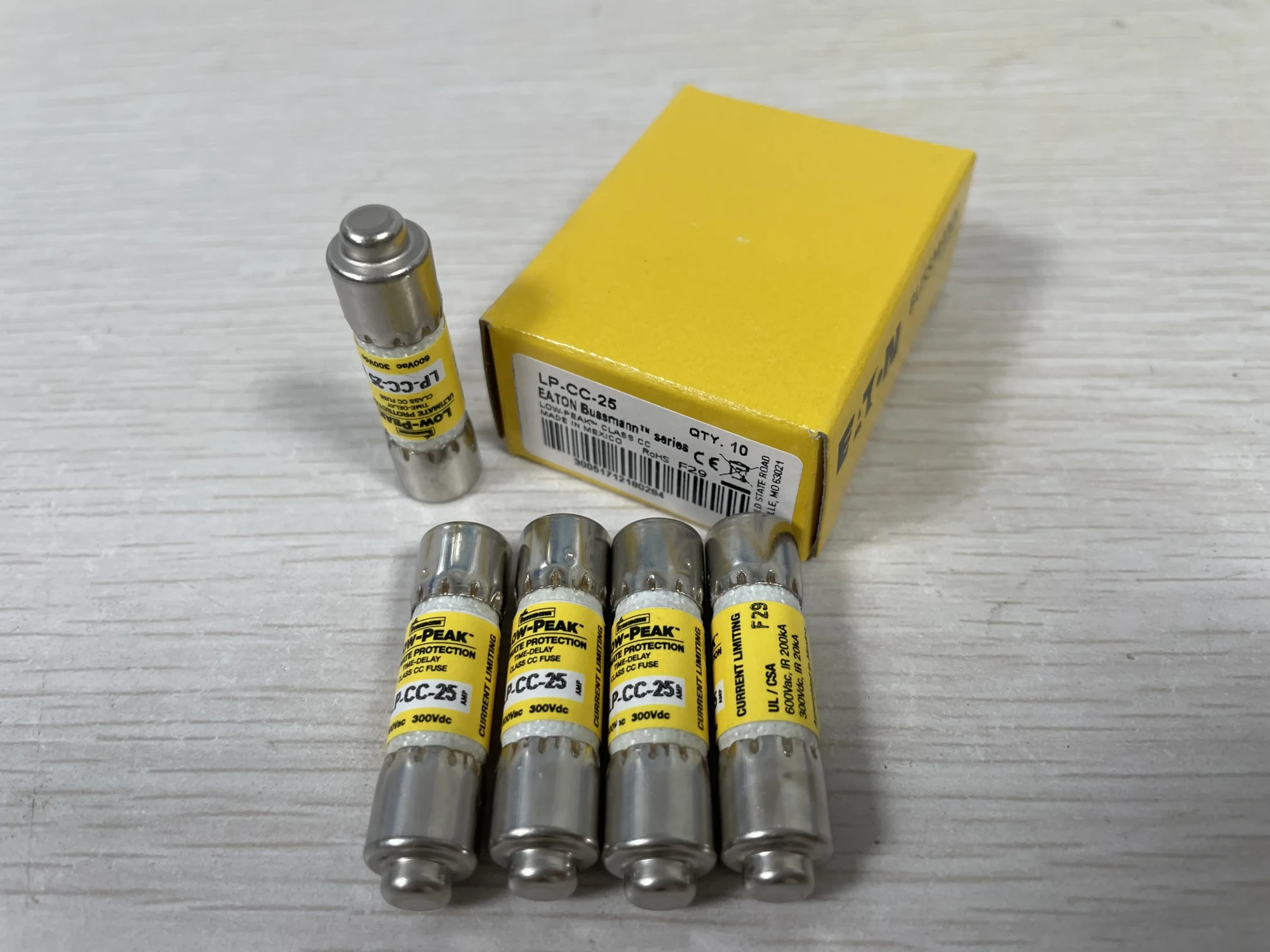
Understanding Eaton-Bussmann Fuse Prospective Fault Current is crucial for ensuring the safe and efficient operation of electrical systems. As a leading provider of circuit protection solutions, Eaton Bussmann offers a comprehensive range of products designed to protect against overcurrent and overvoltage conditions. In this article, we will delve into the world of Eaton-Bussmann Fuse Prospective Fault Current, exploring its product parameters, specifications, uses, and precautions.
What is Eaton-Bussmann Fuse Prospective Fault Current?
Eaton-Bussmann Fuse Prospective Fault Current refers to the maximum amount of electrical current that a fuse can safely interrupt in the event of a fault. This value is critical in determining the suitability of a fuse for a particular application, as it ensures that the fuse can effectively clear faults without causing damage to the electrical system or posing a risk to people and equipment.
Product Parameters and Specifications
Eaton-Bussmann fuses are designed to meet the highest standards of quality and reliability, with a range of product parameters and specifications that cater to different applications. Some of the key parameters and specifications include:
- Current Rating: The maximum amount of current that the fuse can handle continuously without overheating or failing.
- Voltage Rating: The maximum voltage that the fuse can withstand without failing.
- Interrupting Capacity: The maximum amount of fault current that the fuse can safely interrupt.
- Response Time: The time it takes for the fuse to respond to a fault condition and interrupt the current.
- Operating Temperature: The temperature range within which the fuse can operate safely.
Uses of Eaton-Bussmann Fuse Prospective Fault Current
Eaton-Bussmann Fuse Prospective Fault Current is used in a wide range of applications, including:
- Industrial Control Systems: Fuses are used to protect against overcurrent and overvoltage conditions in industrial control systems, ensuring the safe and efficient operation of machinery and equipment.
- Power Distribution Systems: Fuses are used to protect against faults in power distribution systems, preventing damage to equipment and ensuring the continuity of power supply.
- Electrical Panels: Fuses are used to protect against overcurrent and overvoltage conditions in electrical panels, ensuring the safe and efficient operation of electrical systems.
- Automotive Systems: Fuses are used to protect against overcurrent and overvoltage conditions in automotive systems, ensuring the safe and efficient operation of vehicles.
Precautions and Safety Considerations
When working with Eaton-Bussmann Fuse Prospective Fault Current, it is essential to take certain precautions and safety considerations into account. These include:
- Proper Selection: Ensure that the fuse is properly selected for the application, taking into account the current rating, voltage rating, and interrupting capacity.
- Handling and Storage: Handle and store fuses with care, avoiding exposure to extreme temperatures, moisture, and physical damage.
- Installation: Install fuses in accordance with the manufacturer’s instructions and relevant industry standards.
- Maintenance: Regularly inspect and maintain fuses to ensure they are functioning correctly and replace them as needed.
In conclusion, Understanding Eaton-Bussmann Fuse Prospective Fault Current is critical for ensuring the safe and efficient operation of electrical systems. By understanding the product parameters, specifications, uses, and precautions, users can ensure the effective selection, installation, and maintenance of fuses, minimizing the risk of electrical faults and ensuring the continuity of power supply. As an authorized Eaton Bussmann distributor, we provide genuine products that meet the manufacturer’s stringent standards, ensuring that our customers receive high-quality products that meet their needs.