Blog
Wiring a GFCI Outlet with Eaton-Bussmann Fuse
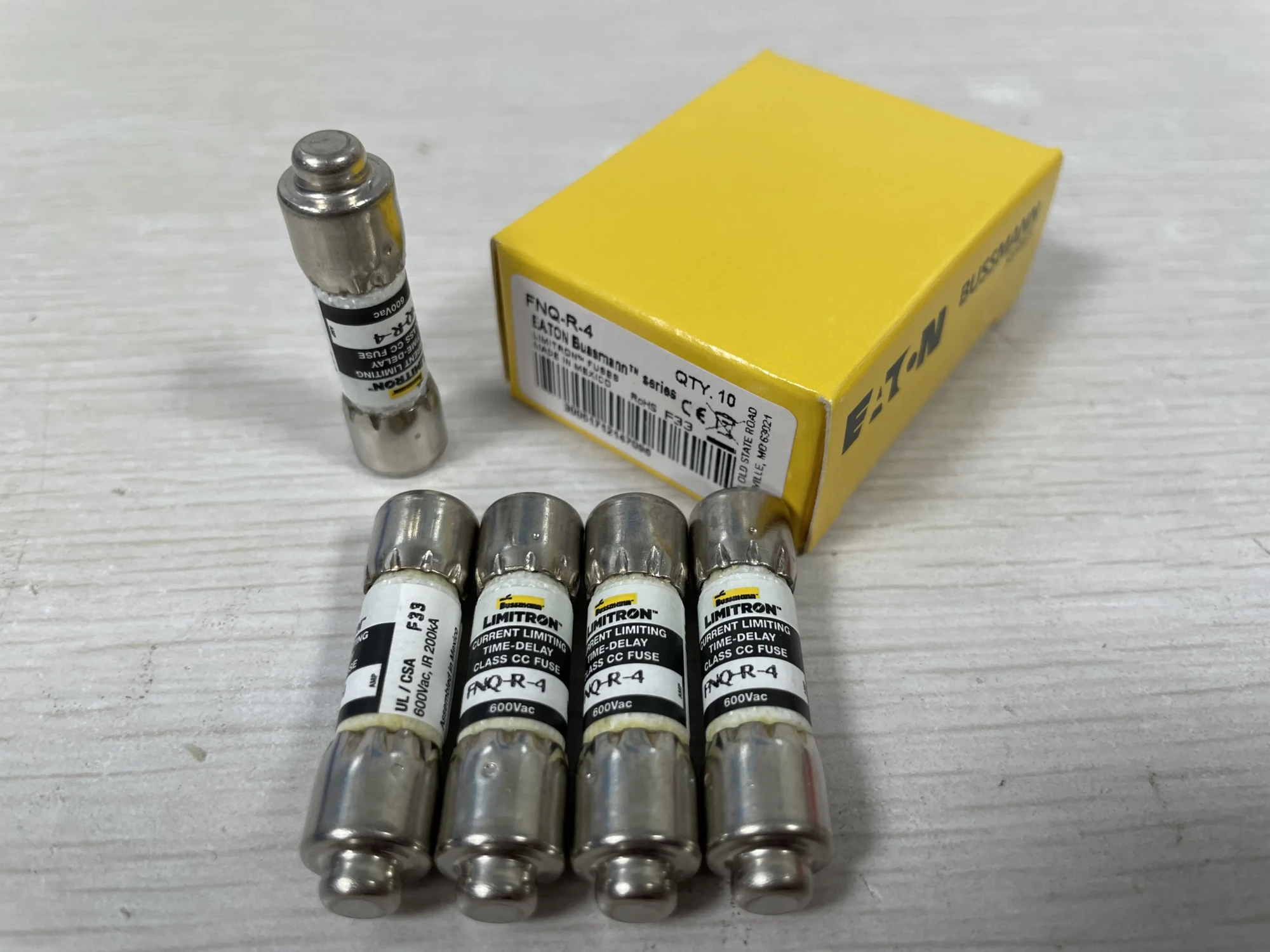
Wiring a GFCI Outlet with an Eaton-Bussmann Fuse is a crucial aspect of ensuring electrical safety in various settings, including residential and commercial properties. Ground Fault Circuit Interrupter (GFCI) outlets are designed to protect against ground faults, which occur when there is an unintended path of electricity flowing to ground, potentially causing electrical shock. The integration of an Eaton-Bussmann Fuse into this system adds an additional layer of protection by providing overcurrent protection, thereby enhancing the overall safety and reliability of the electrical circuit.
Introduction to Eaton-Bussmann Fuse
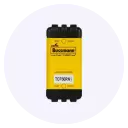
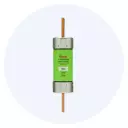
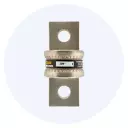
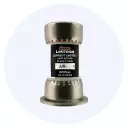
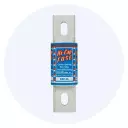
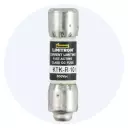
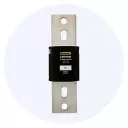
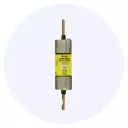
Eaton-Bussmann is renowned for its high-quality circuit protection solutions, including fuses that are tailored to meet the diverse needs of electrical systems. Their product lineup encompasses a wide range of fuses, from North American fast-blow fuses to miniature low-voltage fuses, each designed to address specific applications and requirements. The company’s commitment to innovation and sustainability is reflected in its motto, "Doing Business Right, Doing Business Sustainably," which underscores its approach to power management and environmental stewardship.
Understanding GFCI Outlets
GFCI outlets are mandated by electrical codes in areas prone to moisture, such as bathrooms, kitchens, and outdoor spaces, due to their critical role in preventing electrical shock. These outlets monitor the current flowing through the circuit and can detect even slight imbalances, indicating a ground fault. Upon detection, the GFCI outlet interrupts the power supply, thus preventing potential electrical shocks.
Wiring a GFCI Outlet with an Eaton-Bussmann Fuse
The process of wiring a GFCI outlet with an Eaton-Bussmann Fuse involves several key steps:
-
Preparation: Before starting, ensure that the power to the circuit is turned off at the main electrical panel. Verify the absence of voltage using a non-contact voltage tester to ensure safety.
-
Choosing the Right Fuse: Select an Eaton-Bussmann Fuse that matches the amps rating of the circuit. This is crucial for ensuring that the fuse can handle the maximum current without failing prematurely.
-
Connecting the Line Wires: Connect the black (hot) and white (neutral) wires from the electrical panel to the corresponding terminals on the GFCI outlet labeled "line." The copper ground wire should be attached to the grounding terminal on the GFCI outlet and the grounding system of the electrical panel.
-
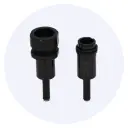
Installing the Fuse: The Eaton-Bussmann Fuse should be installed in the fuse holder, which is typically integrated into the circuit or part of a fuse box. Ensure that the fuse is securely seated and the holder is closed to prevent accidental openings.
-
Connecting the Load Wires: If the GFCI outlet is protecting additional outlets or devices downstream, connect the black and white wires from these devices to the "load" terminals on the GFCI outlet. Again, ensure the ground wire is properly connected.
- Testing: After completing the wiring, turn the power back on at the main electrical panel and test the GFCI outlet by pressing the "test" button. The outlet should interrupt the power, indicating proper function. Then, press the "reset" button to restore power.
Precautions and Considerations
- Safety First: Always follow safety guidelines when working with electrical systems. Turn off the power and verify that it’s off before starting work.
- Correct Fuse Rating: Ensure the Eaton-Bussmann Fuse is rated for the circuit’s maximum amps to prevent overheating or failing to interrupt overcurrent conditions.
- Regular Testing: Regularly test GFCI outlets to ensure they are functioning correctly, as outlined in the manufacturer’s instructions or local electrical codes.
Conclusion
Wiring a GFCI outlet with an Eaton-Bussmann Fuse represents a significant step in safeguarding electrical systems against ground faults and overcurrent conditions. By understanding the role of each component and following proper installation and testing procedures, individuals can enhance electrical safety and compliance with regulatory standards. The integration of high-quality circuit protection solutions from Eaton-Bussmann into electrical systems underscores a commitment to safety, reliability, and sustainability, reflecting the ethos of "Doing Business Right, Doing Business Sustainably."