Blog
Eaton-Bussmann Fuse: Cat 6A Vs 6E Cable Compared
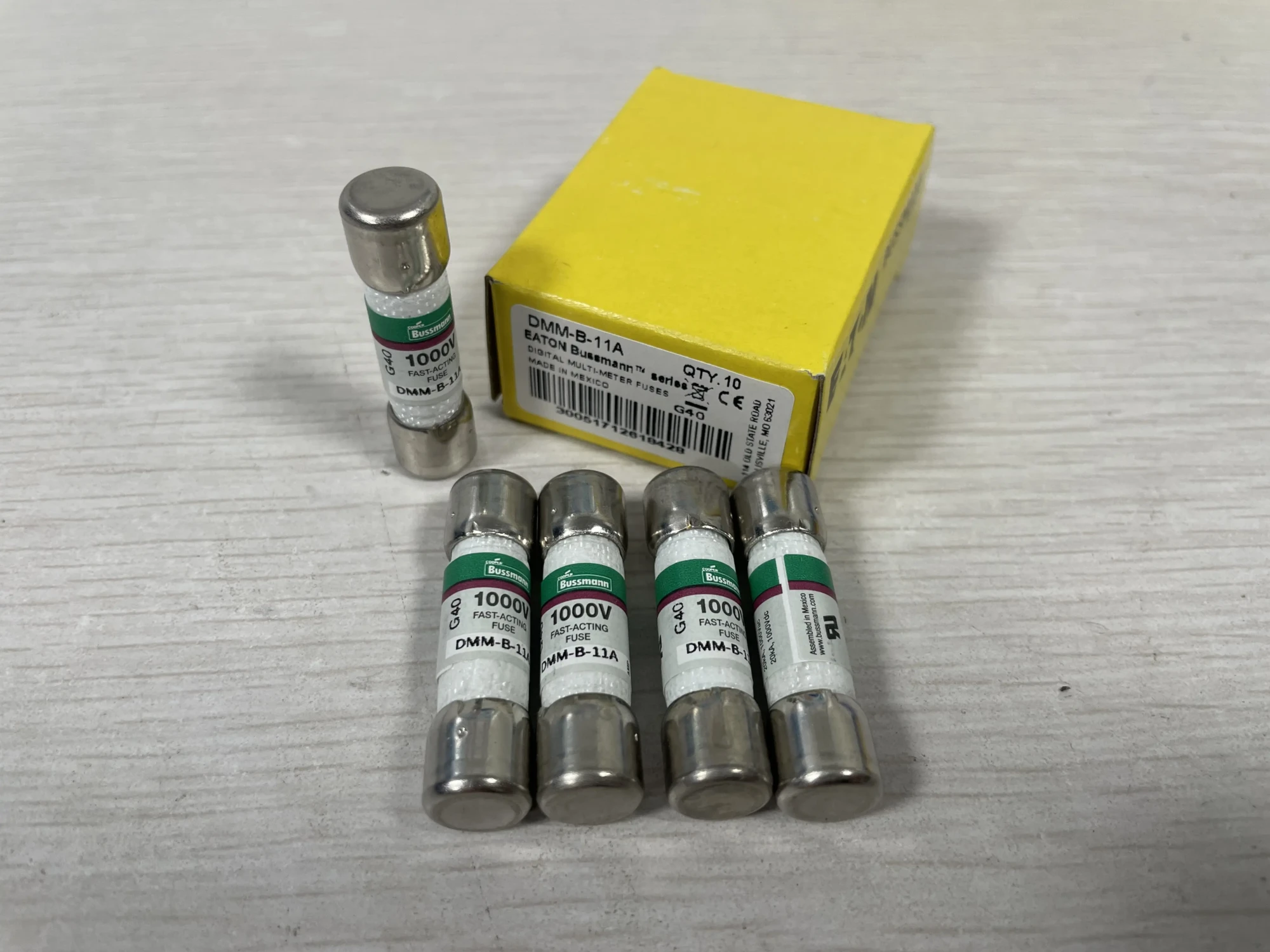
Introduction to Eaton-Bussmann Fuse: Cat 6A Vs 6E Cable Compared
In the realm of electrical engineering and power management, the Eaton-Bussmann Fuse is a renowned name, synonymous with high-quality circuit protection solutions. As an authorized distributor of Eaton-Bussmann products, we specialize in providing customers with top-notch overcurrent and overvoltage protection products to safeguard their circuits from damage. In this blog post, we will delve into the comparison of Cat 6A and Cat 6E cables, two popular products from the Eaton-Bussmann Fuse range, highlighting their product parameters, specifications, uses, and precautions.
Understanding Cat 6A and Cat 6E Cables
Cat 6A and Cat 6E cables are both part of the Eaton-Bussmann Fuse product portfolio, designed to provide reliable and efficient circuit protection solutions. While both cables share some similarities, they also have distinct differences in terms of their specifications, applications, and uses.
Cat 6A Cable
The Cat 6A cable is a high-performance, shielded twisted pair (STP) cable designed for use in high-speed data transmission applications. It features a frequency range of up to 500 MHz and is capable of supporting data transfer rates of up to 10 Gbps. The Cat 6A cable is ideal for use in local area networks (LANs), data centers, and other high-speed data transmission applications.
Cat 6E Cable
The Cat 6E cable, on the other hand, is an enhanced version of the Cat 6A cable, featuring an even higher frequency range of up to 600 MHz. It is designed to support data transfer rates of up to 10 Gbps and is suitable for use in applications that require high-speed data transmission, such as data centers, cloud computing, and big data analytics.
Comparison of Cat 6A and Cat 6E Cables
When comparing the Cat 6A and Cat 6E cables, several key differences emerge:
- Frequency Range: The Cat 6E cable has a higher frequency range (up to 600 MHz) compared to the Cat 6A cable (up to 500 MHz).
- Data Transfer Rate: Both cables support data transfer rates of up to 10 Gbps, but the Cat 6E cable is designed to handle more demanding applications.
- Shielding: Both cables feature shielded twisted pair (STP) construction, but the Cat 6E cable has enhanced shielding to reduce electromagnetic interference (EMI).
- Applications: The Cat 6A cable is suitable for use in LANs, data centers, and other high-speed data transmission applications, while the Cat 6E cable is designed for more demanding applications, such as cloud computing and big data analytics.
Precautions and Considerations
When selecting between the Cat 6A and Cat 6E cables, several precautions and considerations must be taken into account:
- Compatibility: Ensure that the chosen cable is compatible with the existing infrastructure and equipment.
- Distance: Consider the distance over which the cable will be installed, as longer distances may require the use of repeaters or amplifiers.
- Interference: Take into account the level of electromagnetic interference (EMI) in the environment, as this may affect the performance of the cable.
- Future-Proofing: Consider the future needs of the application, as the Cat 6E cable may be more suitable for applications that require higher data transfer rates and frequencies.
Conclusion
In conclusion, the Cat 6A and Cat 6E cables from the Eaton-Bussmann Fuse range offer high-quality circuit protection solutions for a range of applications. While both cables share some similarities, they also have distinct differences in terms of their specifications, applications, and uses. By understanding the product parameters, specifications, and precautions associated with each cable, customers can make informed decisions when selecting the most suitable cable for their specific needs. As an authorized distributor of Eaton-Bussmann products, we are committed to providing customers with the latest technical information, comprehensive online product and inventory lists, and expert advice to ensure that their circuit protection needs are met.